
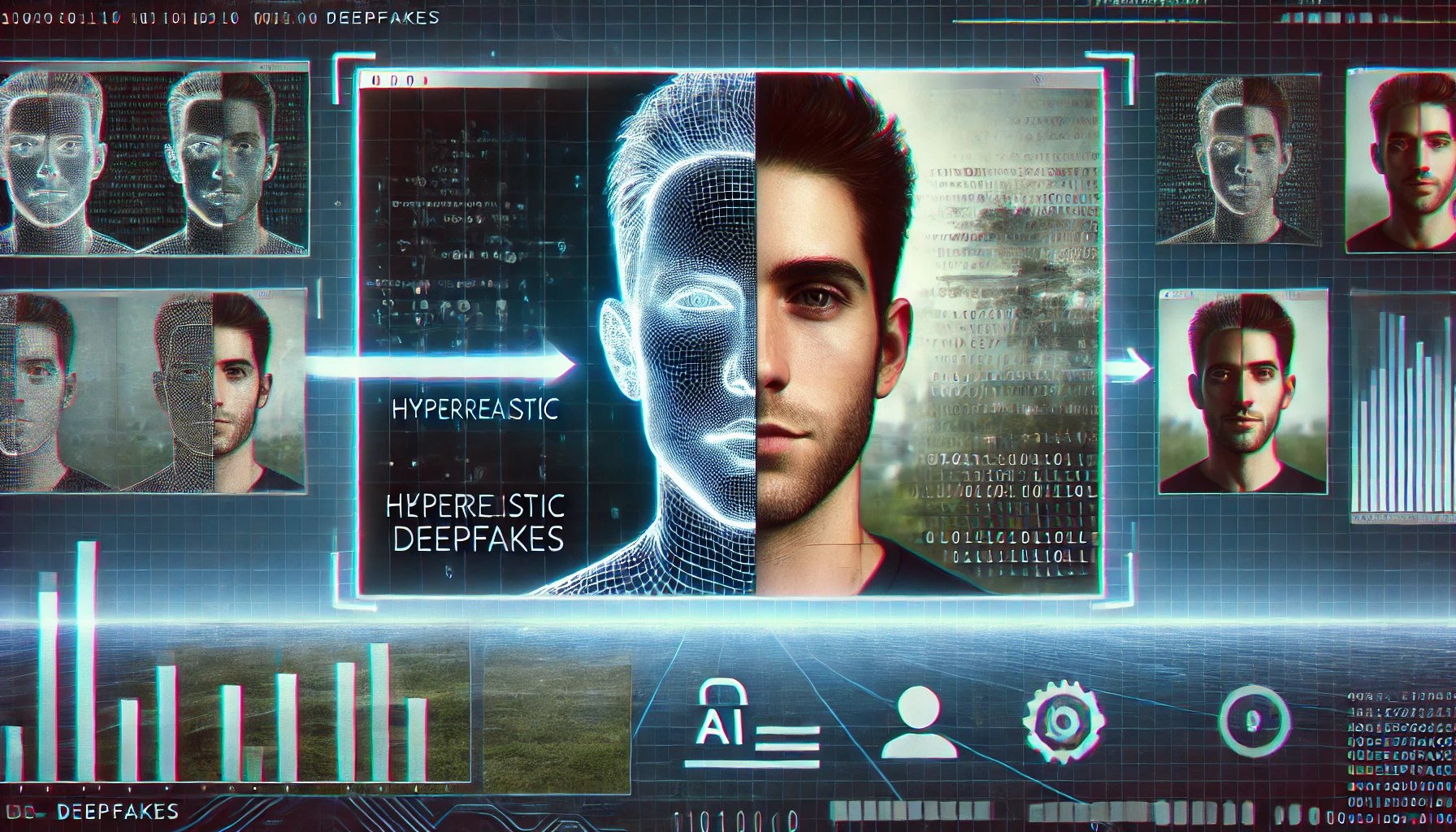
AI deepfakes are rapidly emerging as a significant concern in the ever-evolving landscape of digital media and technology. These sophisticated tools enable the creation of hyper-realistic digital images and videos that personify individuals in ways that can mislead and manipulate audiences. With advancements in AI-generated content, the potential for malicious applications, such as digital impersonations, revenge porn, and cyberbullying, has increased dramatically. While laws like revenge porn legislation seek to protect individuals from non-consensual image distribution, the blurred line between reality and AI deepfakes complicates enforcement. Legal frameworks worldwide are currently grappling with these challenges, emphasizing the need for effective regulation and standards surrounding digital image manipulation through AI platforms like Grok.
In recent years, the rise of digitally fabricated media, often referred to as synthetic media or manipulated visuals, has sparked intense debates around ethics and legality. Technologies that generate synthetic videos and images can convincingly portray individuals in compromising or fictional scenarios, raising questions about personal agency and consent. With the advent of generative models that produce hyper-realistic content, discussions on the implications of such technology are paramount. As legislators scramble to establish comprehensive guidelines amid this digital renaissance, the specter of misuse continues to loom large. Balancing the innovative potential of these technologies with the imperative to protect individuals from harm is a complex and urgent issue facing society today.
The Rising Challenge of AI Deepfakes in Law
As AI deepfakes become increasingly sophisticated, they challenge existing legal frameworks designed to protect individuals from nonconsensual exploitation. The recent proliferation of generative AI tools like Grok has blurred the lines between reality and manipulation, making it difficult for lawmakers to enforce revenge porn laws effectively. Traditionally, legislation around nonconsensual explicit content focused on actual images taken without consent; however, with AI-generated content that replicates a person’s likeness, the issue has grown more complex. Federal and state governments must now grapple with the implications of digital image manipulation, as the technology evolves faster than the law can adapt.
The case of Grok exemplifies how AI can produce lifelike images that could lead to serious emotional and reputational harm without any physical wrongdoing. With South Carolina marking a significant step by being the last state to enact revenge porn laws, the need for comprehensive legislation that addresses AI deepfakes is more pressing than ever. This loophole raises questions about the responsibility of AI developers and platforms in regulating content that could potentially violate personal privacy and consent rights.
Understanding the Legal Landscape of AI-Generated Content
Legal frameworks surrounding AI-generated content differ vastly across countries. In the U.S., the First Amendment offers robust protections for free speech, complicating efforts to regulate the production and distribution of AI deepfakes. While certain provisions exist to penalize the sharing of nonconsensual explicit material, the challenge remains in categorizing AI-generated content under existing laws. The recent Senate bill granting deepfake victims the right to sue shows a step towards accountability; however, broader clarity is needed regarding liability for creators of generative AI models.
In contrast, the European Union and countries like South Korea have started to impose strict regulations on AI-generated content, emphasizing the need for tools like Grok to introduce guardrails against misuse. The approach boils down to a balance between protecting individual rights and not stifling freedom of expression. As regulators continue to navigate this new terrain, the conversation surrounding revenge porn legislation and its applicability to AI deepfakes remains crucial to establishing a fair and safe digital landscape.
The Debate on Regulation: Human Dignity vs. Free Speech
The ongoing debate about regulating AI deepfakes often centers around the ethical implications tied to human dignity and the potential harms involved. Advocates for tighter regulations argue that AI-generated content can perpetuate harm, especially towards women and marginalized communities, by fueling nonconsensual exploitation or mockery through digital manipulation. These advocates highlight the urgent need for settings that can accurately assess the societal impacts of deepfake technology, ensuring that the dignity of individuals is prioritized over unfettered access to create AI-generated content.
Conversely, some argue that imposing harsh regulations might inadvertently infringe upon artistic and political speech. Historical examples such as political pornography highlight the nuanced role that explicit content can play in cultural discourse. Opponents of broad regulations maintain that personal expression, especially in private instances, should remain free from government oversight until it crosses into harmful territory through distribution. This push and pull illustrates the complexity of navigating AI deepfake regulations, pushing lawmakers to define boundaries that do not compromise essential freedoms.
Navigating Digital Image Manipulation with Responsibility
With the dawn of generative AI applications, digital image manipulation has reached unprecedented levels of realism and accessibility. The capacity to create life-like deepfakes using platforms like Grok raises the critical question of responsibility. As creators of AI models become more aware of the potential misuse of their technology, they face moral and legal imperatives to incorporate safeguards that prevent exploitation. Currently, American laws operate under a reactive framework rather than a preventive one, which could leave vulnerable populations exposed to harm from malicious deepfakes.
This reactive approach means that individuals who suffer due to nonconsensual AI-generated content must rely on existing laws against invasion of privacy, often with limited recourse. The discussions among legal experts, like those at Harvard Law, focus on establishing clearer guidelines for AI developers, urging them to take accountability for the use of their tools. This forward-thinking perspective on digital image manipulation emphasizes not only the legal implications but also the immense social responsibility held by tech companies in the age of AI.
International Responses to AI Deepfake Technology
Countries worldwide are reacting differently to the rise of AI deepfakes, especially concerning their implications for privacy and consent. As countries like the U.K. and members of the European Union adopt stringent regulations governing AI-generated content, they aim to position themselves at the forefront of protecting individual rights in digital spaces. Policies may include significant penalties for those who misuse generative AI tools, focusing particularly on the creation of deepfake images that could cause emotional distress or reputational damage.
In stark contrast, the U.S. is still deliberating on its approach, hampered by a complex legal fabric that prioritizes First Amendment rights. The ongoing development of legislation aimed at addressing deepfake misuse indicates a growing awareness of the issue, but the path forward requires a careful balancing act. As more countries begin to establish comprehensive regulations for AI deepfake technology, the United States must reconsider its stance to harmonize protections without sacrificing the foundational principles of free speech.
Challenges Faced by AI Developers in the Era of Deepfakes
AI developers are at a unique intersection of innovation and responsibility as they work with transformative technologies like Grok. The convenience and accessibility of creating AI deepfakes challenge these developers to consider the potential consequences of their creations. As AI tools become more widespread, the ability to manipulate images raises ethical concerns regarding consent and the portrayal of individuals, particularly for public figures and vulnerable communities. Developers must recognize that the technology they produce can be easily misused, necessitating the implementation of robust checks and measures.
Furthermore, AI developers face an intricate landscape of regulatory compliance. With countries imposing various regulations, navigating the legal ramifications of their tools can become overwhelming. The anticipation of being held responsible for potential misuse puts pressure on developers to integrate transparency and safety features into their models. As they innovate, AI developers must lead conversations about ethical practices and promote initiatives that prioritize consent and respect for individuality in AI-generated content.
The Need for Updated Revenge Porn Legislation
As the landscape of technology evolves, so too must the frameworks that govern it, particularly concerning revenge porn legislation. With the rise of AI deepfakes, many individuals who are victims of these manipulative tools often find themselves without adequate legal protection. The enactment of strict laws against nonconsensual sharing of explicit images is just the beginning; legislative bodies must address the unique challenges posed by AI-generated content in a timely manner. A failure to adapt can leave many unprotected and victims of a crime that did not exist when these laws were originally drafted.
Advocacy for updated revenge porn laws includes recognizing the fine line between real images and those generated through AI manipulation. It calls for a redefinition of consent that not only pertains to real-life imagery but also extends to digital representations of individuals. Comprehensive legal amendments should consider the rapid technological advancements, aiming to incorporate specific clauses that directly address the production and distribution of AI deepfakes. By doing so, the legal system can better protect individuals and create clearer avenues for addressing violations of personal rights.
Technology and Ethics: A Dual Focus for Future Regulation
The intersection of technology and ethics is a critical focus as society grapples with the implications of AI deepfakes. Legislative discussions surrounding AI-generated content must not only address the mechanics of regulation but also foster an ethical framework that emphasizes respect for human rights. The role of platforms like Grok in either facilitating or mitigating risks associated with deepfake distribution should be a primary consideration in shaping future laws. Stakeholders across legal, technological, and social spheres must collaborate to create comprehensive policies that protect individuals while allowing for technological growth.
Moreover, emphasizing ethical guidelines can help prevent harm before it occurs. There is a growing call for public and private sectors to establish clear standards and best practices for the ethical use of AI tools. By prioritizing education and awareness, developers and policymakers can nurture a culture that respects personal autonomy and consent in the digital realm. This dual focus on technology and ethics is essential for navigating the challenges posed by AI deepfakes, ensuring that innovation supports rather than undermines community values.
Frequently Asked Questions
What are AI deepfakes and how do they relate to digital image manipulation?
AI deepfakes are synthetic media where a person’s likeness is digitally manipulated using AI-generated content, creating highly realistic and potentially misleading images or videos. This technology utilizes deep learning algorithms for digital image manipulation, enabling the creation of convincing fake representations of individuals.
How do revenge porn laws address the challenges posed by AI deepfakes?
Revenge porn laws aim to combat the nonconsensual sharing of sexual images, but AI deepfakes complicate this issue. When images appear realistic but are AI-generated, determining legality and accountability becomes challenging, as existing laws may not adequately cover digital image manipulation.
What legal protections exist for victims of AI deepfakes in the U.S.?
Currently, there is a growing movement towards legal protections for victims of AI deepfakes in the U.S. Recent legislation allows deepfake victims to sue for damages, acknowledging the unique harms caused by AI-generated content, particularly in cases involving revenge porn and other malicious uses.
What is Grok AI and how does it relate to AI deepfakes?
Grok AI is a generative AI model that allows users to create content, including AI deepfakes. However, its use has raised concerns about enabling the creation of explicit or harmful images, prompting discussions about the need for regulations around AI-generated content.
What are the potential consequences of using AI deepfakes for illegal purposes?
Using AI deepfakes for illegal purposes, such as creating revenge porn, can lead to significant legal repercussions. As societies begin to pass strict laws regulating deepfake technology, individuals involved in malicious activities may face lawsuits and criminal charges.
How do international laws differ in regulating AI-generated content and deepfakes?
Internationally, countries like the EU and U.K. have implemented strict regulations on AI-generated content, including deepfakes, taking a more proactive approach compared to the U.S., where legal frameworks are still developing to address the unique challenges posed by digital image manipulation.
What are the ethical concerns surrounding AI deepfakes and their implications for society?
The ethical concerns surrounding AI deepfakes include issues of consent, invasion of privacy, and potential harm to reputations. As deepfake technology evolves, its ability to mislead viewers raises significant questions about trust in media and the psychological impact on victims.
How can society mitigate the risks associated with AI deepfakes and ensure responsible use of the technology?
Mitigating risks associated with AI deepfakes requires a multifaceted approach, including stronger legal frameworks, public awareness campaigns, and the development of ethical guidelines for creators and users of AI-generated content to prevent misuse and protect individuals’ rights.
What tools or methods can be used to detect AI deepfakes?
Detecting AI deepfakes often involves machine learning algorithms designed to identify inconsistencies in visual and auditory cues. Specialized software can analyze digital image manipulation patterns to help distinguish between genuine and AI-generated content.
What role do generative AI models play in the creation of deepfake technology?
Generative AI models play a crucial role in the creation of deepfake technology by enabling users to synthesize realistic images and videos. These models learn from vast datasets to generate AI deepfakes, making powerful digital image manipulation accessible to a wider audience.
| Key Point | Details |
|---|---|
| AI Deepfakes and Revenge Porn Laws | Governments have made laws against revenge porn. AI deepfakes complicate legal responsibilities regarding explicit images. |
| Global Responses to AI Deepfakes | Countries like the U.K. and the EU are considering strict regulations. South Korea has introduced laws to hold AI creators accountable. |
| Current Legal Landscape in the U.S. | The law surrounding AI video generation is unclear. Victims may have the right to sue, but the responsibility of AI tools themselves remains debated. |
| Creation of AI Deepfakes | With advancements in technology, creating deepfake content has become easier, raising concerns about accountability and regulation. |
| Arguments For and Against Regulation | Advocates for regulation focus on dignity and the impact on marginalized groups, while opponents caution against stifling free speech. |
| Comparison of U.S. and International Approaches | The U.S. faces challenges due to its First Amendment protections, whereas European countries have stricter enforcement and accountability. |
Summary
AI deepfakes are a growing concern as they increasingly challenge existing revenge porn laws and ethical boundaries. With advancements in AI technology, the ability to create hyper-realistic images poses profound implications for personal privacy and accountability in digital spaces. While countries like South Korea and members of the EU seek to regulate AI-generated content, the U.S. legal framework remains ambiguous, leading to a complex landscape that balances technological capability with individual rights. The conversation around AI deepfakes is just beginning, highlighting the urgent need for clear guidelines and responsible practices.