
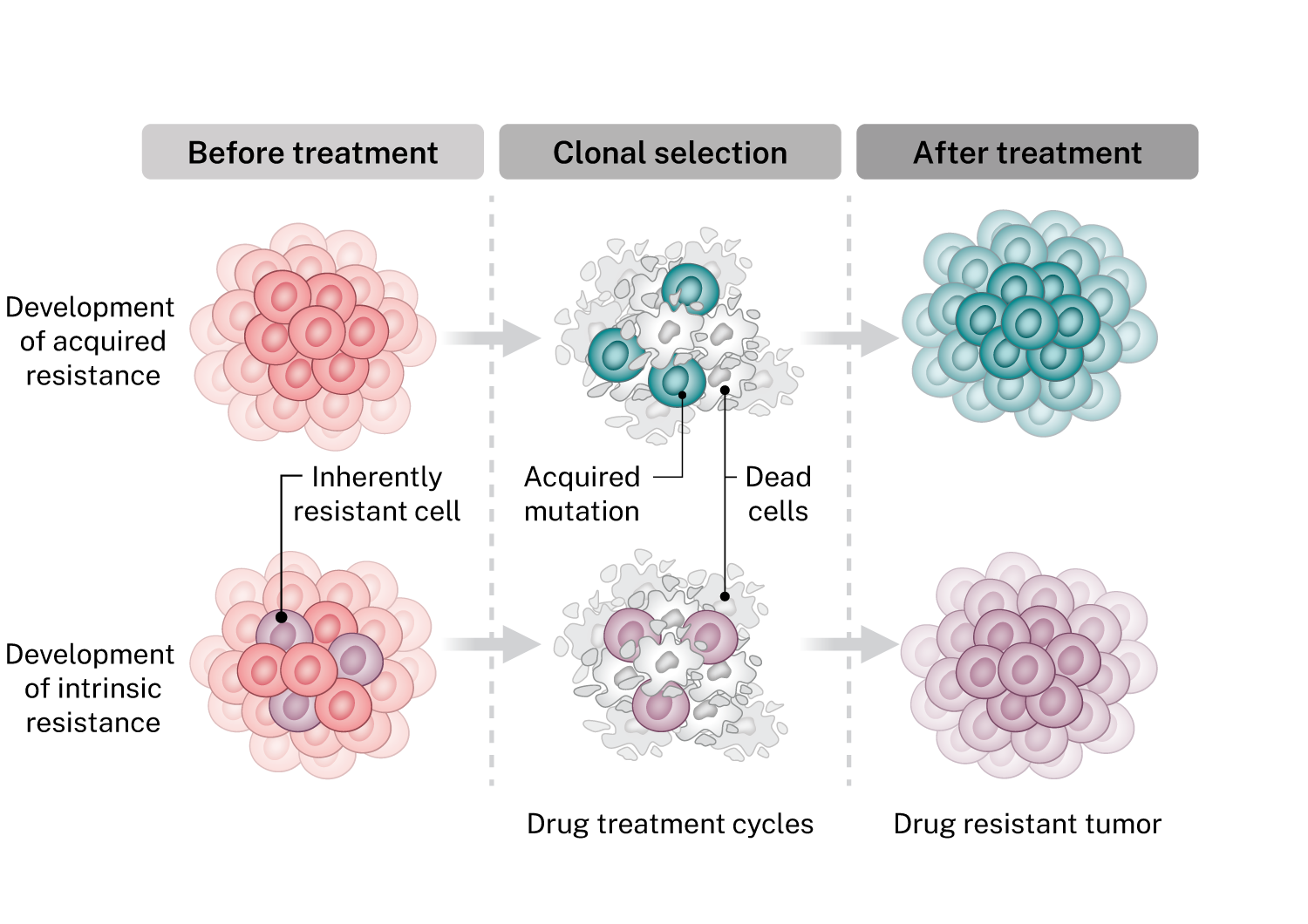
Cancer cell drug resistance is a profound obstacle in the fight against malignancies, posing significant challenges for effective cancer treatment. Researchers at Harvard have delved into this phenomenon, uncovering insights that shed light on how drug-resistant cancer cells develop and thrive. Utilizing groundbreaking TimeVault technology, they have pioneered a method to create microscopic archives of gene expression, allowing scientists to examine the cellular history that leads to resistance. By examining these cellular archives, researchers can understand the gene expression changes that cause cancer cells to evade therapeutic interventions. This innovative approach opens new avenues for addressing the complexities of drug resistance in cancer therapy, ultimately enhancing treatment strategies.
The emergence of drug resistance in oncological cells remains a critical challenge in cancer therapies, complicating patient outcomes significantly. Scientists, particularly from Harvard cancer research, are investigating the intricate processes that give rise to drug-resistant cancer cells. By employing advanced methodologies, such as the TimeVault technology, they are able to capture and preserve the historical gene expression patterns within cells. This enables researchers to probe into the cellular archives, revealing how previous gene activations contribute to current resistance mechanisms. The exploration into gene expression not only aids in understanding resistance but also paves the way for the development of more effective therapeutic strategies.
Understanding Drug-Resistant Cancer Cells
Drug-resistant cancer cells present a significant challenge in oncology. The ability of cancer cells to adapt and resist treatment often leads to treatment failure and disease recurrence. Researchers are striving to understand the underlying mechanisms that contribute to this phenomenon, particularly the role of gene expression. Alterations in gene expression can result in changes to cellular pathways, equipping cancer cells with the capability to evade the effects of chemotherapy and other targeted therapies. By unraveling these complex interactions, scientists can develop more effective therapeutic strategies targeting these adaptive responses.
Cellular archives of gene activity, such as those created through TimeVault technology, allow researchers to peek into the past behaviors of cancer cells. By preserving a record of gene expression over time, researchers can identify the specific molecular changes that lead to drug resistance. This historical insight is crucial not only for understanding how drug-resistant cancer cells evolve but also for devising interventions that can overcome their resilience. The findings from studies utilizing TimeVault could pave the way for the development of new therapies that target the root causes of drug resistance.
The Role of Gene Expression in Drug Resistance
Gene expression plays a critical role in the responsiveness of cancer cells to treatment. Various genes are activated or suppressed in response to therapeutic agents, and this dynamic gene expression can dictate whether a cancer cell survives or succumbs to treatment. The innovative TimeVault method allows scientists to capture and analyze the transcriptome of cells before and after drug exposure, providing a clearer picture of how gene expression changes occur. By examining these changes, researchers can identify potential biomarkers for drug resistance and tailor treatments to enhance efficacy.
Through a deeper understanding of gene expression patterns in drug-resistant cancer cells, researchers may uncover previously unknown pathways involved in resistance mechanisms. This knowledge not only aids in the immediate battle against cancer but also enhances long-term strategies for prevention and treatment. By integrating insights from gene expression with other data from cellular archives, scientists can design personalized therapy approaches that anticipate and counteract the mechanisms of drug resistance.
Exploring Cellular Archives Through TimeVault Technology
TimeVault technology represents a significant advancement in cellular biology, allowing researchers to create enduring records of gene expression within living cells. Unlike traditional methods, TimeVault does not just provide a snapshot; it preserves a continuous history of cellular responses to various stimuli, including stress and drug exposure. This capability is particularly valuable when examining the lifecycle of cancer cells, as understanding their past behaviors can help predict their future responses to treatment.
With the ability to analyze these cellular archives, researchers can glean insights into how environmental factors and previous treatments influence current cellular behavior. This could be crucial in developing strategies to outsmart drug-resistant cancer cells. By connecting the historical data of gene expression to the current state of the cell, scientists can formulate therapeutic interventions that effectively target the surviving populations of cancer cells that have adapted to treatment pressures.
The Challenge of Cancer Adaptation and Resistance
The adaptation of cancer cells to therapeutic environments poses one of the most formidable challenges in modern medicine. This adaptation often results from multifaceted changes in gene expression that allow cancer cells to survive in the presence of drugs designed to kill them. Understanding these processes requires sophisticated research methodologies that can track changes over time, which is where TimeVault technology shines. This cutting-edge approach captures the sequential molecular events leading to resistance, providing a complete picture of the evolutionary trajectory of cancer cells.
Moreover, addressing cancer adaptation requires a multifaceted strategy. Researchers need to explore the interplay of various cellular processes, such as metabolism, apoptosis, and stress responses, in the context of drug resistance. By employing TimeVault’s archival capabilities, studies can generate a wealth of data concerning the life history of cancer cells, which can lead to breakthroughs in therapeutic development. Ultimately, enhancing our understanding of these adaptive processes is vital for devising next-generation cancer treatments that are less likely to be undermined by resistance.
Implications of TimeVault for Future Cancer Research
The development of TimeVault technology has far-reaching implications for future cancer research. By enabling scientists to observe and record the temporal dynamics of gene expression, TimeVault provides a unique platform for understanding the molecular underpinnings of diseases like cancer. This innovative method opens new avenues for investigating how cancer cells resist various treatment modalities. Future research can harness these insights to innovate therapies that target specific gene expression profiles associated with resilience.
With its ability to preserve and analyze gene activity data over time, TimeVault strengthens our fundamental understanding of cancer biology. Researchers can now systematically study different conditions and treatment responses over extended periods, leading to the discovery of novel therapeutic targets. As scientists continue to explore these cellular archives, they will lay the groundwork for personalized medicine approaches that cater specifically to the unique resistance traits of individual tumors.
Challenges in Measuring Gene Activity Over Time
Measuring gene activity over time to understand cancer resistance poses significant challenges in scientific research. Traditional methods often provide only transient insights or destroy cells during analysis, limiting the understanding of dynamic cellular processes. TimeVault technology overcomes many of these hurdles by allowing researchers to gather comprehensive data without compromising the integrity of living cells. This capability to assess gene activity longitudinally provides an enriched dataset that reveals important information about how cancer cells change in response to drugs and other stressors.
The ability to observe evolutionary changes in drug-resistant cancer cells is imperative for developing effective therapies. Through TimeVault, investigators can study how gene expression evolves within the cancer cell’s lifecycle. This continual monitoring enables the identification of early warning signs of resistance, empowering clinicians to make data-driven decisions about treatment approaches and interventions—progress that is crucial for overcoming the battle against relentless cancer cells.
Leveraging LSI in Cancer Cell Research
Latent Semantic Indexing (LSI) plays a vital role in enhancing the effectiveness of cancer research, particularly in the context of understanding drug resistance. By utilizing LSI algorithms, researchers can identify related terms and concepts within the vast amount of data generated in studying cancer cells. This approach can facilitate the correlation of gene expression with specific alterations that lead to drug-resistant phenotypes, providing more profound insights into the underlying mechanisms.
The integration of LSI into research frameworks also promotes the discovery of novel biomarkers and therapeutic targets by identifying nuanced connections in gene expression data. As researchers implement LSI in conjunction with advanced technologies like TimeVault, the potential for breakthroughs in understanding the complexities of drug-resistant cancer cells becomes significantly greater. By mining the interconnected language of cellular processes, scientists can achieve a more holistic view of cancer biology and enhance therapeutic outcomes.
Innovations in Therapeutic Strategies for Cancer Treatment
Innovative therapeutic strategies are essential in the ongoing fight against cancer, especially as drug-resistant cancer cells continue to present challenges. The insights gained from the TimeVault technology are informing new approaches to therapy that go beyond traditional methods. By combining historical data on gene expression with real-time monitoring of cellular responses, researchers can design multi-faceted treatment protocols that adapt to the evolving nature of cancer.
Future therapeutic strategies may involve the personalized application of drugs based on the unique gene expression profiles of individual tumors. By leveraging the preserved gene activity records offered by TimeVault, physicians could select combinations of therapies pre-emptively designed to address specific resistance mechanisms in cancer cells. This shift toward individualized treatment plans has the potential to improve patient outcomes and reduce the incidence of treatment failure due to drug resistance.
The Future of Cancer Research in Personalized Medicine
The future of cancer research is rapidly evolving, with a strong emphasis on personalized medicine becoming central to developing new and effective therapies. As researchers uncover the intricate correlations between gene expression and drug resistance via TimeVault and other advanced technologies, the potential for tailor-made treatment regimens becomes more plausible. This approach ensures that therapeutic strategies can be aligned with the unique molecular profiles of each patient’s cancer, leading to more successful outcomes.
Personalized medicine not only aims to provide better treatment options but also addresses the issue of drug-resistant cancer cells more effectively. By using data-driven methods to foresee resistance patterns, medical practitioners can implement proactive measures. With investments and innovations in cancer research technologies, the paradigm shift towards personalized approaches promises to revolutionize the treatment landscape, ultimately improving survival rates and quality of life for cancer patients.
Frequently Asked Questions
What causes drug-resistant cancer cells to develop?
Drug-resistant cancer cells can develop due to various factors, including mutations in specific genes that enable the cells to survive despite therapeutic interventions. These genetic changes can alter drug targets, enhance drug efflux, or increase cellular repair mechanisms. Harvard research into gene expression shows that understanding these adaptations is key to overcoming drug resistance.
How does gene expression relate to cancer cell drug resistance?
Gene expression plays a crucial role in cancer cell drug resistance by determining how cells respond to treatment. Altered gene expression patterns can lead to the activation of survival pathways that help cancer cells withstand the effects of drugs. Through innovative methods like TimeVault technology, researchers are able to archive cellular gene activity to better understand these changes over time.
What is TimeVault technology and how does it help study drug-resistant cancer cells?
TimeVault technology is a novel method developed by Harvard scientists that creates a microscopic archive of gene expression within cells. This allows researchers to investigate how past gene activity influences the current state of drug-resistant cancer cells. By preserving a record of gene activity, TimeVaults can help identify the molecular changes that lead to drug resistance.
Why are cellular archives important for understanding drug-resistant cancer cells?
Cellular archives, such as those created using TimeVault technology, are vital for unraveling the history of drug-resistant cancer cells. By preserving past gene expression, researchers can analyze how specific changes contribute to a cell’s ability to resist therapy, thereby enhancing our ability to develop effective treatments against drug-resistant cancers.
What role do vaults play in the study of drug resistance in cancer cells?
Vaults are enigmatic structures found in cells that have been harnessed in TimeVault technology to store and preserve RNA molecules. By using vaults to create a continuous record of gene expression, researchers can investigate how drug-resistant cancer cells evolve and adapt to therapeutic pressure, potentially leading to new strategies in oncology.
How can studying cellular archives improve cancer therapy?
Studying cellular archives through methods like TimeVault technology helps uncover the historical gene expression patterns that lead to drug-resistant cancer cells. By identifying these patterns, researchers can tailor therapies to more effectively target cancer cells, overcoming the challenges of drug resistance in treatment.
What significant discoveries have been made regarding drug-resistant cancer cells through Harvard’s research?
Harvard’s research, utilizing TimeVault technology, has revealed insights into how specific genes are activated in cancer cells over time, contributing to their drug resistance. This approach marks a significant advancement in understanding the evolutionary changes in cancer cells and holds promise for developing more effective cancer treatments.
Can TimeVault technology track multiple time points of gene expression in cancer cells?
Currently, TimeVault technology has been used to assess a single time point of gene expression; however, researchers are optimistic about adapting the method to track multiple time points. This could provide deeper insights into the mechanisms behind drug-resistant cancer cells and how they adapt to therapeutic challenges.
| Key Aspect | Details |
|---|---|
| Research Team | Led by Fei Chen, associate professor at Harvard. |
| Technique Name | TimeVault, a method to create microscopic archives of gene activity. |
| Purpose | To study cellular history and understand drug resistance in cancer cells. |
| Innovation | Utilizes vaults, natural cellular structures, to encapsulate RNA and preserve gene activity. |
| Advantage | Extends the lifespan of RNA preservation within cells from 17 hours to 132 hours. |
| Application | Potential use in understanding stress responses, adaptation, and drug resistance. |
| Significance | Provides researchers a method to analyze the link between cellular history and future behavior. |
Summary
Cancer cell drug resistance is a significant challenge in treatment, making the understanding of how cancer cells adapt crucial for developing effective therapies. Through innovative techniques like TimeVault, researchers can now store cellular memory encapsulated in vaults, allowing them to study the historical gene expressions that contribute to drug resistance. This method opens new avenues for cancer research, providing insights into the molecular mechanisms that underpin treatment failures and enhancing our approaches toward overcoming the resilience of cancer cells.