
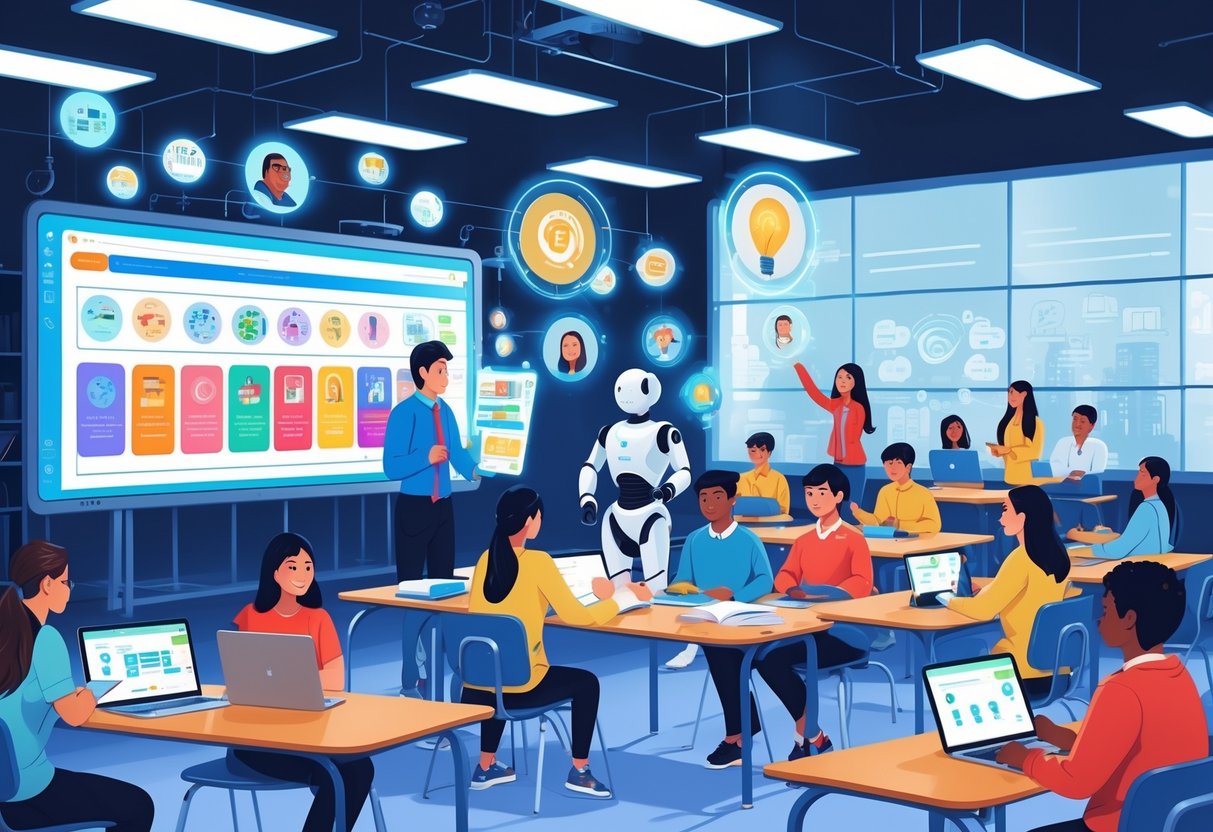
AI in education is transforming the way students learn and teachers instruct. The impact of AI on learning is profound; it offers innovative AI tools in classrooms that can supercharge cognitive development and enhance student engagement. However, it also raises important questions about the preservation of critical thinking skills in an era where generative AI can perform tasks traditionally done by humans. As educators explore the intersection of educational technology and AI, they must navigate the challenge of utilizing these resources without undermining the essential components of learning. Ultimately, embracing AI in education could empower learners while promoting a deeper understanding of their own thinking processes.
The integration of artificial intelligence in learning environments presents a unique intersection of tradition and innovation. As educators grapple with the evolution of instructional methodologies, the introduction of smart technology tools offers new avenues for cognitive stimulation and development. By blending advanced algorithms with pedagogical strategies, educators can enhance engagement in learning experiences, fostering a generation of critical thinkers. It is vital, however, to establish a balance that allows students to utilize these technologies as aids in their educational journey rather than crutches that detract from problem-solving skills. Exploring the role of AI as a supportive partner in education aligns with the broader objective of preparing students for a rapidly changing world.
Exploring the Impact of AI on Learning
The integration of artificial intelligence (AI) into educational environments has been a topic of fervent discussion among educators and researchers alike. As generative AI tools become more prevalent in the classroom, there are growing concerns about their impact on cognitive development and the foundational skills needed for critical thinking. Numerous studies suggest that while AI can provide immense support in information processing and access to educational resources, it can also lead students to rely excessively on these technologies, potentially stunting their ability to think independently. The emphasis must be placed on maintaining a balance between leveraging AI’s capabilities and promoting the critical thinking skills that students will need as they navigate increasingly complex real-world scenarios.
Moreover, this reliance on AI tools has led to a reevaluation of how educators approach teaching. There is a recognized need for pedagogical strategies that encourage students to engage more deeply with learning materials rather than simply seeking answers from AI. Fostering an environment where students are encouraged to question, hypothesize, and reflect on their thoughts is vital for developing robust cognitive skills. The challenge lies in how educators can artfully incorporate AI into their teaching while ensuring that students remain active participants in their learning journeys, capable of analytical and reflective thought.
AI Tools in Classrooms: Enhancing or Hindering?
AI tools have been marketed as revolutionary in the educational landscape, promising to enhance personalized learning and provide real-time feedback. These advancements pose a dual-edged sword; while they can support differentiated instruction tailored to individual student needs, there is a palpable risk of over-reliance. For instance, students accustomed to using AI for completing assignments may miss out on vital learning processes that develop critical strategies for problem-solving. Classrooms must navigate these complexities to ensure that AI serves as a complement to traditional teaching methods rather than a barrier to spontaneous inquiry and creativity.
Educators need to be proactive in creating structured guidelines that promote responsible AI use in the classroom. This includes designing assignments that require students to engage with AI tools in a way that encourages exploration and critical thought, rather than rote completion. As discussed by educators, one effective method is to encourage students to create problems that AI cannot easily solve. This approach not only pushes students to deepen their understanding of the subject matter but also stimulates innovative thinking, ensuring that AI tools are utilized to enhance, not diminish, their educational experience.
Critical Thinking and AI: A Delicate Balance
The emergence of AI technologies raises essential questions regarding the future of critical thinking in education. As students increasingly turn to AI for answers, there is concern that they may forfeit the essential skills of judgment, analysis, and problem-solving that are critical to their overall cognitive development. The challenge for educators is to foster a learning environment that empowers students to engage critically with information while still leveraging the benefits of AI. This means educating students about when to rely on AI and when to depend on their own skills.
One way to strike this balance is by incorporating metacognitive strategies into the curriculum. Teaching students to reflect on their thought processes enables them to recognize when they are relying too heavily on AI, allowing them to adjust their approaches accordingly. Moreover, educators can encourage this metacognition through collaborative projects that require teamwork and discourse, further promoting critical thinking and reinforcing the idea that learning is a multifaceted process that enhances human potential rather than detracts from it.
Educational Technology: Bridging Gaps in Learning
The advancement of educational technology, particularly through AI, presents an opportunity to bridge gaps in learning that have persisted in traditional educational frameworks. These technologies can offer differentiated learning paths that cater to diverse learning styles, enabling students to engage at their own pace. However, the success of these technologies depends on how effectively they are integrated into pedagogical practices. Educators must adapt their teaching methods to incorporate these technologies while ensuring that they align with educational goals that promote comprehensive learning.
In many instances, educational technology offers an avenue for enhancing student engagement and motivation. When utilized appropriately, AI can facilitate interactive learning experiences that stimulate curiosity and encourage exploration. Nevertheless, it is crucial for teachers to remain vigilant about the potential downsides, such as distraction or dependency on technology for basic cognitive tasks. By maintaining a focus on educational outcomes and fostering an environment of inquiry, educators can effectively leverage technology to enrich the learning experience without undermining essential cognitive skills.
The Role of AI in Cognitive Development
Understanding the role of AI in cognitive development necessitates a nuanced approach that considers both the advantages and disadvantages of AI tools in educational contexts. As researchers have pointed out, while AI can significantly enhance access to information and provide valuable feedback, there is a danger that it may stunt the cognitive growth of students, particularly when it comes to developing critical thinking skills. Educators are tasked with finding innovative ways to integrate AI while ensuring that it bolsters, rather than undermines, students’ ability to engage in complex thinking and problem-solving.
Additionally, cognitive development is influenced by a variety of factors beyond just technological tools. Elements such as social interactions, emotional support, and hands-on learning experiences play crucial roles in fostering children’s cognitive skills. When discussing AI’s role in cognitive development, educators should strive to create an educational ecosystem that balances AI’s contributions with opportunities for personal interaction and reflection, reinforcing the idea that learning encompasses much more than merely acquiring facts or answers.
Metacognition: Teaching Students to Think About Thinking
A focus on metacognition can dramatically enhance students’ learning experiences, especially in an era dominated by AI tools. By teaching students to think critically about their own thinking processes, educators can empower them to make informed choices about when and how to utilize AI in their studies. Metacognitive strategies encourage students to reflect on their learning objectives, analyze their performance, and set goals for improvement. This approach fosters a self-regulated learning model that is essential for mastering complex concepts and skills.
Moreover, integrating metacognitive practices in classrooms can build students’ confidence in their abilities to tackle challenges independently. Educators can encourage metacognition by asking students to articulate their thought processes during problem-solving tasks or engage them in discussions about their learning strategies. Such practices not only enhance understanding and retention but also develop essential self-awareness regarding their learning processes, preparing them to become adaptable thinkers in a world increasingly shaped by AI.
Redefining the Purpose of Education in an AI World
The advent of AI technologies has sparked a critical reevaluation of the purpose of education itself. Traditionally centered around memorization and the acquisition of factual knowledge, the curriculum now needs to expand to include skills like creativity, collaboration, and critical thinking. The goal should be to prepare students not just for tests, but for real-world challenges that require innovative problem-solving capabilities. As educators embrace AI, they must also redefine their teaching objectives and make room for skills that align with the demands of the 21st century.
This reassessment also opens the door for more engaging and relevant learning experiences. When students understand that their education is being tailored to help them develop competencies for future success, their motivation can significantly increase. By integrating AI tools as a supportive resource, rather than a replacement for traditional methods, educators can cultivate a learning atmosphere that emphasizes exploration and authentic engagement, ensuring that education remains purposeful and fulfilling.
Navigating Parental Concerns about AI in Education
Parents often grapple with the implications of AI on their children’s education, particularly concerning screen time and cognitive development. Many worry that over-reliance on AI tools for homework or studying could inhibit their child’s ability to think critically. To address these concerns, it’s essential for educators to engage parents in discussions about the role of AI in the classroom and how it can be harnessed as a positive educational resource. Transparent communication about the intent to use AI strategically can alleviate fears while fostering a collaborative approach to learning.
Furthermore, parents can play a significant role in reinforcing positive technology habits at home. Encouraging children to balance AI usage with traditional study methods, outdoor activities, and social interactions can help mitigate concerns about dependence on technology. By modeling healthy educational practices and facilitating conversations about AI’s role in learning, parents can support their children in making conscious, informed decisions regarding their interactions with AI tools.
Future Innovations in Education: The Role of AI
As educational systems evolve in response to technological advancements, the future promises a host of innovations that incorporate AI into learning experiences. Teachers can leverage AI to create personalized learning pathways that adapt to the unique needs of each student, promoting engagement and fostering a love for learning. However, it’s essential that these innovations prioritize the development of critical thinking and problem-solving skills—key competencies needed to navigate an increasingly complex world.
The future of education may not only see enhanced AI applications but also more collaborative environments where students, teachers, and AI systems work together. This synergy can foster an interactive learning atmosphere that emphasizes creativity and exploration. Ultimately, the goal should be to leverage AI in a manner that enriches the educational experience and prepares students not just to participate in the world but to innovate within it, ensuring they are not passive consumers of information but active contributors to their communities.
Frequently Asked Questions
How is AI impacting learning in the classroom?
AI is transforming learning in classrooms by providing personalized educational experiences. It allows educators to tailor instruction to individual students’ needs, leveraging AI tools to enhance cognitive development, foster critical thinking, and streamline educational technology. However, it is crucial for educators to integrate AI thoughtfully to ensure it enhances learning rather than detracting from essential thinking skills.
What are the main concerns regarding the impact of AI on cognitive development?
Concerns surrounding AI in education primarily focus on its potential to undermine cognitive development. As AI tools can perform basic tasks and provide quick answers, there is a risk that students may rely excessively on these systems instead of engaging in critical thinking and problem-solving. This dependency could hinder their development of foundational skills necessary for deeper learning.
How can AI tools in classrooms promote critical thinking?
AI tools can promote critical thinking by encouraging students to solve more complex problems and engage in exploratory learning. Educators can use AI to facilitate innovative assignments that require students to invent questions or challenges that AI cannot easily resolve, thereby enhancing their analytical skills and creativity.
What role does educational technology play in the use of AI for learning?
Educational technology provides the framework within which AI can be implemented effectively. By integrating AI tools into educational technology, teachers can create interactive learning environments that foster engagement and adaptability. This synergy enhances the learning experience, allowing students to utilize AI not just for answers, but as a collaborative tool in their educational journey.
How can parents approach the introduction of AI to their children?
Parents should introduce AI in a balanced manner, considering it as part of a broader developmental ecosystem. This includes encouraging outdoor play, hobbies, and social interactions alongside AI usage. Engaging children in discussions about the role of AI in their learning helps them understand its benefits and limitations, fostering a healthy relationship with technology.
| Key Points |
|---|
| The rising presence of AI raises concerns about its impact on human critical thinking and cognitive development. |
| Educators are challenged to incorporate AI in ways that enhance learning rather than replace it. |
| Self-regulation is crucial for students to effectively use AI tools without becoming overly reliant on them. |
| The importance of human relationships in education remains critical, as AI cannot replace the emotional support teachers provide. |
| AI can support personalized learning experiences, but it’s essential to balance its use with traditional educational methods. |
| As AI continues to evolve, educators must continually reassess the purpose of education and adapt their teaching strategies accordingly. |
Summary
AI in education is becoming increasingly prevalent, prompting a reconsideration of how we teach and learn in the digital age. As evidence mounts regarding the impact of AI on cognitive development, it’s crucial for educators to embrace technology with caution. Critical thinking, creativity, and human relationships must continue to be at the forefront of learning experiences, ensuring that AI serves as a tool for enhancement rather than a substitute for genuine inquiry and understanding.